

Avoid These 8 Mistakes When Renting a Wheelchair Ramp

Avoid These Pitfalls When Renting a Mobility Ramp
When my dad came home from surgery, the hospital arranged everything inside — walker, shower seat, raised toilet seat. But outside? Just three concrete steps.

At first, we thought we’d manage. We leaned on neighbors. Took it slow. But it quickly became obvious: getting in and out of the house was a huge challenge. We didn’t need a permanent solution — just something safe and reliable for a couple of months. A ramp.
And that’s when we fell into the trap so many families do.
We bought a cheap wheelchair ramp for sale online — no guidance, no support. It arrived late, didn’t fit our entryway, and was slippery in the rain. We ended up returning it and starting from scratch.
I’m sharing this because if you’re looking to rent a mobility ramp, I want to help you avoid the missteps we made. Whether it’s for recovery, aging parents, visiting relatives, or event accessibility, here’s what you need to know before you rent a ramp.
Mistake #1: Renting the Wrong Size Ramp
This is the big one. It’s tempting to look at your steps and guess. Two steps? Probably need a small ramp, right?
Not always.
Mobility ramps for disabled individuals need to be long enough to ensure a safe incline. In Canada, the recommended slope ratio is 1:12. That means for every inch of height, you need a foot of ramp length.
Our first ramp was too short. The angle was steep, and we found ourselves nervous every time Dad used it. That’s not what a ramp should do. A good ramp for wheelchair users should give peace of mind — and not add stress.
If you're unsure what size you need, don’t guess. Ask. With rental services like Canada Mobility Rentals, you can get expert help calculating the right fit, so you get it right the first time, whether you're looking for ramps for homes, ramps for seniors, or wheelchair ramps for temporary use—size matters.
Mistake #2: Overlooking Weather and Surface Conditions
We live in Vancouver. Rain is a reality. Yet, the ramp we first tried had almost no traction. One light drizzle and it became a skating rink.
This is an easy mistake to make, especially with cheap wheelchair ramps or inexpensive imports. But for safe, everyday use, especially outdoors, you need:
A non-slip surface
Sturdy materials like aluminum or metal ramps for wheelchairs
Rails or raised edges, depending on the setup
If you’re renting, always ask about weather resistance. Don’t assume every wheelchair ramp can handle Canadian conditions, because not all of them can.
Mistake #3: Choosing Permanent When Temporary Will Do

You might not need a ramp forever. We didn’t.
When my dad’s strength came back, we no longer needed ramp access for wheelchair use. But if we’d bought a permanent system, we would’ve had to store it, sell it, or leave it to rust.
That’s where renting makes so much more sense.
You get a professionally fitted, safe, code-compliant ramp for wheelchair access delivered and set up. And when you’re done, it’s picked up. No extra storage, no commitment, no stress.
If your needs are short-term or situational, renting ramps for wheelchairs is more flexible and far more affordable than buying.
Mistake #4: Thinking All Rentals Are the Same
This one cost us time and money. We originally rented from a company that didn’t specialize in accessibility. They offered everything from walkers to canes, and ramps were just an afterthought.
The result? Minimal support, unclear instructions, and zero customization.
Not all rental providers are equal.
Look for a company that specializes in ramps for handicapped individuals, not just general medical gear. Companies like Canada Mobility Rentals focus specifically on handicap ramps for rent and will guide you through setup, length, weatherproofing, and proper use.
Mistake #5: Forgetting Portability Options
Another thing we didn’t think through was whether we needed the ramp to move.
Turns out, yes. Dad had follow-up appointments, and the wheelchair didn’t work with our SUV unless we had a portable ramp to bridge the gap.
That’s when we learned about foldable ramps for wheelchairs — lightweight, suitcase-style ramps that are perfect for travel, cars, and temporary use. These inexpensive wheelchair ramps were easier for our family to handle, move, and store.
Renting one for two months made way more sense than buying a wheelchair ramp for sale that would sit in the garage unused afterward.
Mistake #6: Renting Too Late

Here’s something no one tells you: when you need a home handicap ramp, you usually need it yesterday.
Whether it's surgery recovery, a last-minute discharge, or an upcoming visit from a family member who uses a wheelchair, timing is tight.
Don’t wait until the last minute. When you rent from a trusted source, they’ll help you prepare ahead and even deliver and install the ramp before it's needed.
Canada Mobility Rentals, for example, offers fast access to ramps for disabled people in Vancouver, often with setup in under 48 hours. That kind of responsiveness makes a huge difference.
Mistake #7: Not Thinking Beyond the Front Door
We tend to think of wheelchair ramps for rent as something you place outside. But sometimes the obstacles are inside.
Doorway thresholds, slight steps between rooms, or a sunken living room can all cause issues.
Small threshold ramps or ramps for wheelchairs inside the home can make a major difference, especially for seniors. These smaller tools are easy to rent and even easier to use — but they’re often overlooked.
When you're renting a handicap ramp for a home, talk to the provider about every area in the house that might need support.
Mistake #8: Trying to Do It All Alone
I know how it feels — you’ve got a lot on your plate. You want to solve the problem fast. So you Google “ramp for wheelchair,” click a few listings, maybe check Amazon, and place the order.
That’s what I did.
But looking back, the best thing I eventually did was stop trying to figure it out on my own. I called a local rental provider. I explained our situation. And they walked me through everything.
They asked about surface type, weather, incline, weight limits — all the questions I didn’t know I needed to ask.
If you’re in that spot now, reach out for help. People who work with ramps for handicapped access every day know how to guide you.
Renting Makes More Sense Than Buying
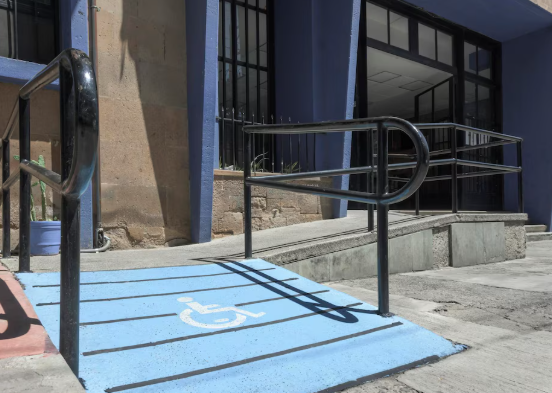
When you’re dealing with a temporary disability, a guest with mobility needs, or even a short-term injury, renting a ramp for wheelchair users just makes more sense than buying.
No commitment, no long-term storage, no guessing.
With a rental:
You get professional guidance
Equipment fits your exact space
It’s removed when you’re done
You save money compared to buying outright
Whether you need ramps for homes, ramps for handicapped access, or discount ramps for wheelchairs during a recovery period, renting gives you more freedom and less worry.
The Bottom Line
If you’re searching for a handicap ramp for rent, and want something safe, affordable, and easy to set up, renting may be the smartest choice you make.
But remember: size, surface, weather, layout, and timeline all matter. Whether it's for a week or several months, the right mobility ramp rental will support your loved one's safety and dignity.
And if you're in Vancouver, you’re in luck.
Canada Mobility Rentals offers the region’s most reliable and thoughtful mobility ramp rental service, with options that fit your timeline, home, and budget. Whether it’s for a wheelchair, walker, or just extra safety on steps, they’ll walk you through every detail.
Ready to rent the right ramp — without the guesswork? Visit Canada Mobility Rentals to get started. Their team makes it easy because they’ve been where you are, and they care about where you’re going.


Comments