

The Hidden Dangers Of Houses Without Mobility Ramps

Why Every Home Needs a Safe Wheelchair Ramp Entry
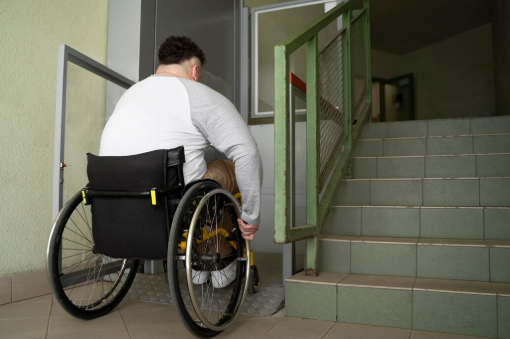
At Canada Mobility Rentals, we walk up to Canadian doorways every day and see the same risk hiding in plain sight. A couple of steps quietly create falls, delays, and hard lifts that strain caregivers. In this guide, we share how we size, design, and install safe entries with the exact measurements we use on site. We deliver and set up solutions that feel like part of the house, not an afterthought.
Why Front Steps Become A Hidden Hazard
One high threshold or two risers can turn a simple exit into a daily gamble. Slush and rain gather on nosings right where braking and turning are required. The result is anxiety, skipped appointments, and preventable injuries. We recommend replacing uncertainty at the threshold with a predictable surface that anyone in the family can use. That is the role of ramps for homes designed for everyday conditions.
Why Steps Create Avoidable Risks In Real Life
When we audit an entry, we never ask whether someone can technically get inside. We ask whether entry is safe in January, in the rain, at night, and during an emergency. Steps create bottlenecks for first responders and force awkward lifts that lead to back injuries. A properly sized structure removes the drama from every arrival and departure. This is why we specify ramps for wheelchairs that convert a stressful threshold into a steady, repeatable routine.
How We Size Slope Run And Landings Correctly
Slope Target: We treat 1 to 12 as the steepest everyday slope and go gentler when space allows, with 1 to 15 or 1 to 20 preferred for self-propelling.
Total Rise: We measure from the finished grade to the sill, including any threshold lip. Example: three 7-inch steps plus a 1-inch sill equals 22 inches of rise.
Run Length: At 1 to 12, multiply rise in inches by 12. A 22-inch rise needs 22 feet of incline before landings.
Landings: Level platforms at the top, bottom, and every change of direction. We prefer 1500 mm minimum and 1700 by 1700 mm at doors so swings never trap wheels.
Breaks In Run: Long slopes are tiring, so we include a landing at least every 9 m of run.
This is the backbone. Everything else, materials, handrails, and contrast, sits on these fundamentals targeted to a wheelchair width ramp that fits the actual device.
Landing Geometry That Prevents Doorway Pinches
Level landings with slope no steeper than 1 to 48 before any door swing.
Door landings are deep enough that the entire chair sits on a flat pad before the swing begins.
Hinges and swing direction are considered early, with outswing on tight porches often needing larger landings.
Colour contrast at the start and end of slopes so depth changes are obvious at dusk.
These elements restore confidence and eliminate awkward pivots for any ramp for wheelchair users and for walkers, too.
Winter-Proof Surfaces And Materials For Canada
For Canadian winters, we favour the best material ramps because they perform in wet and freezing conditions.
Drainage: Snow falls through, so slush does not pool and refreeze.
Traction: Textures grip tires and boots without chewing them up.
Maintenance: No rot, no repainting, and no swelling boards after thaws.
Modularity: Relevel or reconfigure after frost heave and add platforms if needs change.
Wood can look great, but it demands strict anti-slip finishes and vigilant upkeep. Concrete is durable but costly to modify when mobility needs evolve, which is why we often recommend metal ramps for wheelchairs in heavy snow regions.
The Small Details That Make A Big Safety Difference

Handrails: Continuous rails on both sides at a comfortable height with smooth extensions for stable starts and stops.
Edge Protection: A curb or low guard keeps wheels from rolling off the side.
Guards: Where grade drops are larger, we add guards so routes never feel exposed.
Cross Slope: Kept mild so chairs do not drift.
Lighting: Motion-sensing fixtures illuminate surfaces at night and in winter darkness.
These upgrades deliver the biggest safety gains for access ramps for the disabled, used in all seasons.
Temporary Options During Recovery Or Renovation
Short-term recovery, rentals, and community restrictions often call for flexible solutions. We deploy seasonal systems that meet slope and landing requirements without altering the structure. Components assemble cleanly and come out just as cleanly when needs change. This approach lets you test layout, turning space, and hand placement during real-life use with temporary wheelchair ramps sized to your door and grade.
Common DIY Mistakes We Fix Before They Cause Trouble
Too Steep: A six-foot incline on a 24-inch rise looks tidy but feels like a ski jump.
No Landings: Turns without level pads force risky pivots on the slope.
Under Width: Rails installed late steal the clearance the chair needed.
Door Traps: No flat pad at the door, so swing arcs into casters.
Glossy Surfaces: Great in summer, slick in rain and ice.
No Edge: A wheel drops off the side, and confidence is lost for months.
Ask us for a layout and materials list aligned with building ramps for the disabled in Canadian climates before you start.
What Caregivers Tell Us After Installation
The first feedback is relief. Partners stop lifting on icy days. Adult children stop doing dangerous bump-ups under time pressure. Families start saying yes to outings again, and sleep improves because the entry routine is easy. Confidence returns because the surface, rails, and lighting feel right. Time after time, we hear that ramps for wheelchairs at home improve far more than doorways. They improve the day.
Our Step-by-Step Planning And Installation
We start with two measurements that drive everything. We record the total rise and the tightest clear width on the route. Then we draw landings and turns to avoid door conflicts and place rails where hands naturally reach. Next, we select materials and textures for grip and drainage, add edge protection, and finalize lighting. Only then do we discuss skirting and colour so the system feels built in. This process consistently produces handicap ramps for houses that look right and work right.
Try Before You Commit With Short-Term Rentals
If you are unsure which layout will feel best or if you expect the needs to evolve, we can deploy a modular system within hours. You live with it, provide feedback, and we convert what worked into a permanent plan with precision. This removes guesswork and avoids regret. For many families, the fastest bridge to safe access is portable ramps for steps that match the door and timeline.
Get Your Custom Plan And Installation Quote Today

Disability Ramps For Home
We design, deliver, and install solutions that make entries predictable and safe in every season. Our planners size slope, run, and landings, specify traction and lighting, and coordinate clean, fast setup with minimal disruption. If you prefer to start with rentals, we can place a modular system within days, then refine the plan once you have lived with it.
Start now with Canada Mobility Rentals and request your no-pressure quote. Tell us your total rise, which door you use, and whether you want short-term or permanent access. We will turn those details into a clear plan that replaces risk with routine.
Make Your Entry Safe Today
Book your assessment, select your configuration, and schedule installation. Our team is ready to help you move from steps to confidence with the right disability ramps for your home, your space, and season.


Comments